Soft strip is a term used by demolition contractors to describe the internal preparation works that precede the demolition phase of a contract. During these works active waste is removed which includes things like furniture, carpets and false ceiling tiles as well as static waste timber products which includes timber shelving, strapping, skirting, flooring and partition timber frames.
In more recent time the soft strip works have become more popular as more and more companies choose to develop existing structures utilising the existing outer building over a full rebuild. These works are generally very standard and generic with the main risk arising from the uncovering of asbestos product.

Soft Strip Demolition
Soft strip is a term used by demolition contractors to describe the internal preparation works that precede the demolition phase of a contract. During these works active waste is removed which includes things like furniture, carpets and false ceiling tiles as well as static waste timber products which includes timber shelving, strapping, skirting, flooring and partition timber frames.
In more recent time the soft strip works have become more popular as more and more companies choose to develop existing structures utilising the existing outer building over a full rebuild. These works are generally very standard and generic with the main risk arising from the uncovering of asbestos product.
Soft Strip Demolition
Soft strip is a term used by demolition contractors to describe the internal preparation works that precede the demolition phase of a contract. During these works active waste is removed which includes things like furniture, carpets and false ceiling tiles as well as static waste timber products which includes timber shelving, strapping, skirting, flooring and partition timber frames.
In more recent time the soft strip works have become more popular as more and more companies choose to develop existing structures utilising the existing outer building over a full rebuild. These works are generally very standard and generic with the main risk arising from the uncovering of asbestos product.
Pigeon or Bat Droppings (Guano) Removal
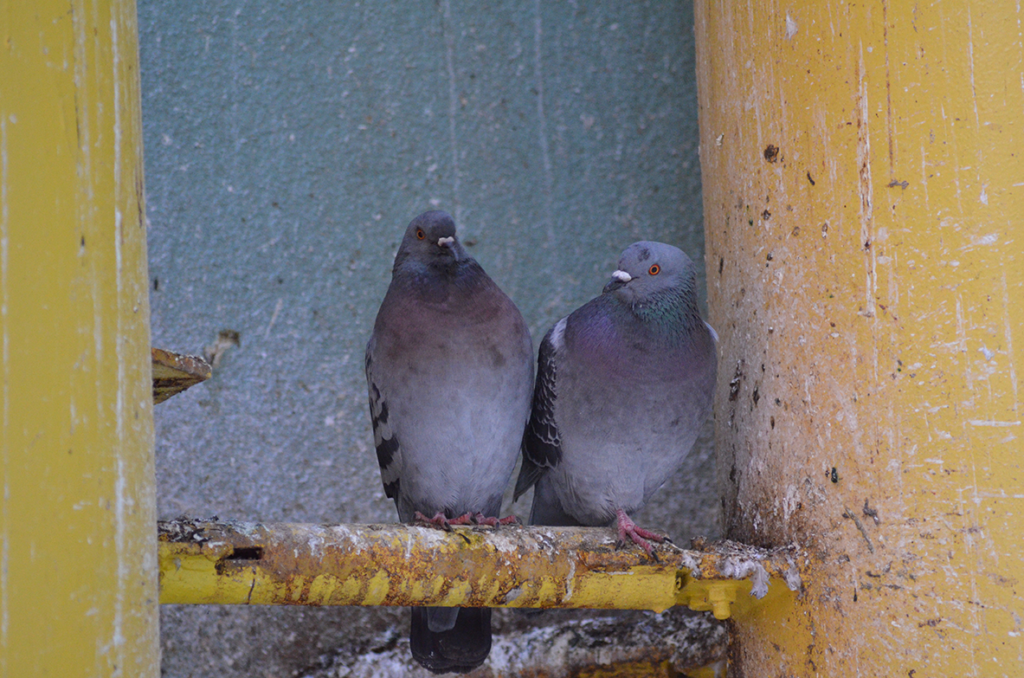
An estimated 2,000 people a year in Britain catch infections from wild pigeons, which can potentially carry up to 60 different types of diseases.
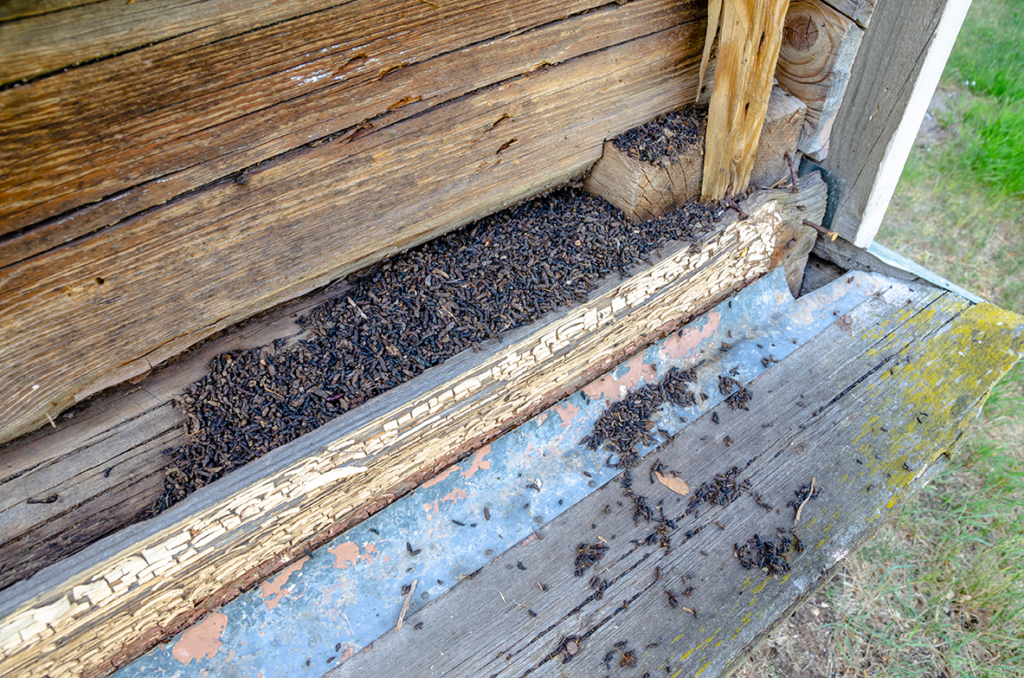
RS Asbestos Ltd have a highly effective and reliable pigeon or bat droppings (guano) removal service. The high nutrient content of accumulated bird and bat excrement provides an excellent growth medium for organisms of potential human health concern. Two of the potentially fatal illnesses caused by those organisms are cryptococcosis and histoplasmosis. Cryptococcosis is usually associated with pigeon droppings at elevated roost sites and histoplasmosis with bird and bat droppings on soil under roosts. However, the infective stages of both organisms may be found in any accumulation of dry droppings and associated organic matter.
Our team of highly trained technical experts are able to clean up guano in a number of varied locations including high, hard to reach areas. All of our technicians are fully trained in the dangers of carrying out this potentially hazardous cleaning procedure.
In our experience, pigeon and bat droppings are often located in some of the most difficult areas to reach such as loft spaces and high ledges. We are able to provide you with a quick and efficient service to remove the droppings in the safest practical manner, disposing of the waste matter correctly and in accordance with Environment Agency Waste Regulations. RS Asbestos have carried out the removal of pigeon or bat droppings within hospitals, loft spaces, factories, warehouses, breweries, barns, churches, balconies, air conditioning units, boiler houses and many more. For further information and quotations please contact our team on 01706 839 082.
Pigeon or Bat Droppings (Guano) Removal
An estimated 2,000 people a year in Britain catch infections from wild pigeons, which can potentially carry up to 60 different types of diseases.
RS Asbestos Ltd have a highly effective and reliable pigeon or bat droppings (guano) removal service. The high nutrient content of accumulated bird and bat excrement provides an excellent growth medium for organisms of potential human health concern. Two of the potentially fatal illnesses caused by those organisms are cryptococcosis and histoplasmosis. Cryptococcosis is usually associated with pigeon droppings at elevated roost sites and histoplasmosis with bird and bat droppings on soil under roosts. However, the infective stages of both organisms may be found in any accumulation of dry droppings and associated organic matter.
Our team of highly trained technical experts are able to clean up guano in a number of varied locations including high, hard to reach areas. All of our technicians are fully trained in the dangers of carrying out this potentially hazardous cleaning procedure.
In our experience, pigeon and bat droppings are often located in some of the most difficult areas to reach such as loft spaces and high ledges. We are able to provide you with a quick and efficient service to remove the droppings in the safest practical manner, disposing of the waste matter correctly and in accordance with Environment Agency Waste Regulations. RS Asbestos have carried out the removal of pigeon or bat droppings within hospitals, loft spaces, factories, warehouses, breweries, barns, churches, balconies, air conditioning units, boiler houses and many more. For further information and quotations please contact our team on 01706 839 082.
Pigeon or Bat Droppings (Guano) Removal
An estimated 2,000 people a year in Britain catch infections from wild pigeons, which can potentially carry up to 60 different types of diseases.
RS Asbestos Ltd have a highly effective and reliable pigeon or bat droppings (guano) removal service. The high nutrient content of accumulated bird and bat excrement provides an excellent growth medium for organisms of potential human health concern. Two of the potentially fatal illnesses caused by those organisms are cryptococcosis and histoplasmosis. Cryptococcosis is usually associated with pigeon droppings at elevated roost sites and histoplasmosis with bird and bat droppings on soil under roosts. However, the infective stages of both organisms may be found in any accumulation of dry droppings and associated organic matter.
Our team of highly trained technical experts are able to clean up guano in a number of varied locations including high, hard to reach areas. All of our technicians are fully trained in the dangers of carrying out this potentially hazardous cleaning procedure.
In our experience, pigeon and bat droppings are often located in some of the most difficult areas to reach such as loft spaces and high ledges. We are able to provide you with a quick and efficient service to remove the droppings in the safest practical manner, disposing of the waste matter correctly and in accordance with Environment Agency Waste Regulations. RS Asbestos have carried out the removal of pigeon or bat droppings within hospitals, loft spaces, factories, warehouses, breweries, barns, churches, balconies, air conditioning units, boiler houses and many more. For further information and quotations please contact our team on 01706 839 082.
Disease organisms commonly found in bird and bat excrement
The high nutrient content of accumulated bird and bat excrement provides an excellent growth medium for organisms of potential human health concern. This guide primarily addresses the prevention of two illnesses caused by those organisms: cryptococcosis and histoplasmosis.
Cryptococcosis is usually associated with pigeon droppings at elevated roost sites; histoplasmosis with bird and bat droppings on soil under roosts.
However, the infective stages of both organisms may be found in any accumulation of dry droppings and associated organic matter.
Personnel should also be aware of the possible dangers of other disease organisms associated with bird and bat excrement.
Disease organisms commonly found in bird and bat excrement
The high nutrient content of accumulated bird and bat excrement provides an excellent growth medium for organisms of potential human health concern. This guide primarily addresses the prevention of two illnesses caused by those organisms: cryptococcosis and histoplasmosis.
Cryptococcosis is usually associated with pigeon droppings at elevated roost sites; histoplasmosis with bird and bat droppings on soil under roosts.
However, the infective stages of both organisms may be found in any accumulation of dry droppings and associated organic matter.
Personnel should also be aware of the possible dangers of other disease organisms associated with bird and bat excrement.
https://creativegraphicsuk.com
bespoke services
bespoke services
bespoke services
bespoke services
bespoke services